


Game of Heroes: Three Kingdoms
1.883.00 Reviews
App Specs
- Version
- 2.8.7
- Updated On
- License
- Free
- Downloads
- 500,000+
- Developer
- QI XI ENTERTAINMENT (HK) LTD.
- Categories
- Card
- Platform
- Android
Screenshots
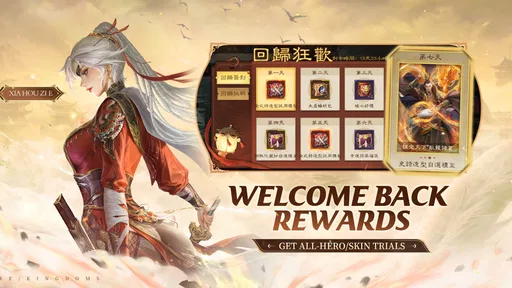
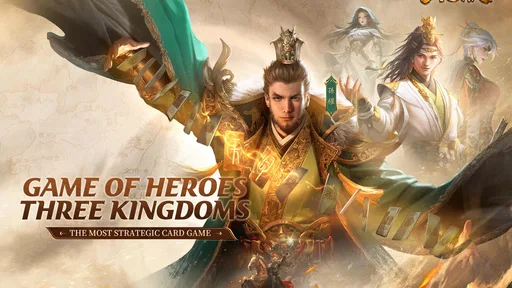
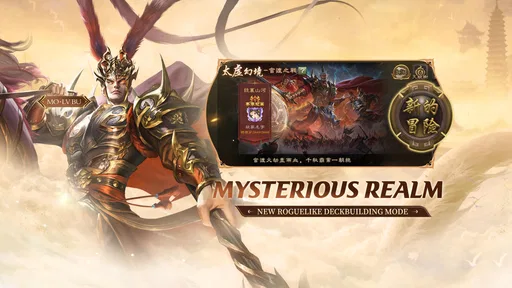
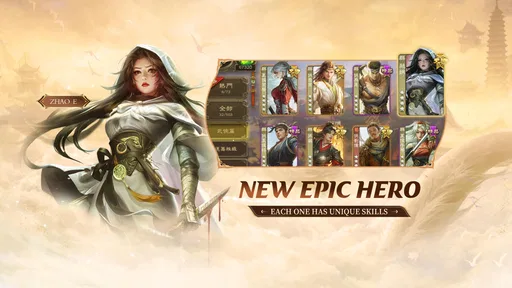
 Analysis by AppCompare
When I assess Game of Heroes: Three Kingdoms, I look at it as a card game first, not simply as a broad strategy adventure. Its Three Kingdoms setting gives the battles and hero roster a recognizable historical flavor, while the card format makes decisions about which characters to use the heart of the experience. That mix may appeal if you enjoy assembling a cast and thinking about how its pieces work together. It is less obviously suited to someone who wants a quick, self-contained card match with no interest in longer-term progression.
The game is free to download, and its in-app purchases range from $0.29 to $99.99 per item. That is useful context before you begin: the entry cost is not the whole spending picture, and the difference between the smallest and largest listed purchase is substantial. I would decide in advance whether I am comfortable playing without purchases, and treat any offer as optional rather than as a reason to spend impulsively. The purchase range alone does not tell me what each item contains or whether paying changes the pace or outcome of play.
What the purchase details do—and do not—tell you
For a card game, purchases can matter in different ways: they might offer convenience, collection options, or some other benefit. Here, the confirmed price range establishes that optional paid items exist, but it does not establish their contents or their effect on competition. I would not assume that buying is necessary, nor would I assume that every player has the same access to cards or progression. Those are important distinctions when judging fairness, and the purchase figures by themselves cannot settle them.
That uncertainty makes a cautious first session sensible. I would learn how the game feels before spending: see whether the basic play loop is enjoyable, whether progress feels understandable, and whether the available choices are enough to keep me interested. A low-cost item can still become an unwanted expense if I buy it without knowing what it does, while a much larger offer deserves extra time to consider. The practical rule is simple: do not treat a purchase prompt as a recommendation, and do not spend to solve a frustration until you understand what is causing it.
Progress should fit your routine
Card games with persistent progression often ask for attention beyond a single match, and this game is presented around heroes, tactical play, and kingdom development. I would approach those elements as connected commitments rather than assume that every session needs to cover everything. If I only have a few spare minutes, I would focus on one clear task—reviewing a lineup or making a deliberate decision—rather than opening the game and tapping through every available screen. That habit helps me tell whether I enjoy the actual choices or am merely responding to reminders and unfinished tasks.
A realistic use case is a short break between errands. I could open the game, check what I want to improve, and make one focused move, then leave before a quick check-in turns into a long session. On a quieter evening, I might spend more time comparing heroes and considering how a lineup supports a plan. The value is in having different ways to engage with the same collection-and-strategy premise; the trade-off is that a player who dislikes ongoing management may find the wider progression less appealing than a compact card game that starts and ends with each match.
One useful discipline is to change only one part of a strategy at a time. If I alter several heroes or tactical choices at once, it becomes harder to tell which decision helped. Keeping a mental note of the lineup I want to test makes experimentation more informative and avoids random changes that feel like progress but teach me little. This is especially helpful when a defeat tempts me to replace everything: a small adjustment can show whether the issue was a particular hero choice or a broader mismatch in approach.
Worth Reading Before You Choose

EA SPORTS FC Mobile 26 Is a Bigger Football Game, but It Takes Time

Flipboard Shows What News Apps Must Do Beyond the Feed

Switching to Android Auto Means Rethinking Your Driving Routine

Google Calendar Makes a Crowded Week Easier to Manage

Ludo King Makes the Most of the Minutes Between Plans

Baby Panda World Brings Quick Play to Modern Phones, but Its Game Library Feels Busy
Fairness is a question to test, not assume
The game has a competitive and social angle, so fairness matters to anyone deciding whether to invest time in it. I would judge that through play rather than infer it from the existence of purchases. In particular, I would pay attention to whether I can understand why I won or lost, whether opponents seem to present different strategic choices, and whether progression feels like learning rather than simply waiting or paying. Those observations are more useful than guessing how paid items affect a match.
For someone who mainly wants relaxed solo play, competitive balance may be a secondary concern. For a player who hopes to measure skill against others, it should be a deciding factor. I would try a range of opponents before forming an opinion, and I would separate a frustrating result from evidence of an unfair system. A loss can come from a poor matchup or a decision I can improve; repeated experiences that feel impossible to interpret would be a more meaningful reason to reconsider. The available purchase information does not answer whether spending gives a competitive edge, so I would not promise either a level playing field or a pay-to-win problem.
Who may enjoy it, and who may prefer another card game
I can see the appeal for players who like the Three Kingdoms setting and want their card decisions tied to a broader sense of building and developing a realm. It may also suit someone who enjoys experimenting with heroes instead of repeating one fixed deck or strategy. If the pleasure you get from card games comes from refining combinations over time, this has a more involved premise than a simple digital deck of cards.
By contrast, I would steer a player toward a more straightforward card game if they want short rounds, minimal management, or a clearly defined competitive format with little uncertainty about progression. Someone who does not enjoy historical hero rosters may also find the setting less compelling than a game built around abstract cards or familiar modern themes. And if spending pressure is a concern, the presence of purchases—especially with a wide listed price range—makes it worth proceeding carefully rather than assuming free access means every aspect will feel equally accessible.
It is also worth thinking about the Teen content rating as part of choosing who plays. That label gives a broad age guide, but it is not a complete description of every interaction or every purchase decision. If a younger player will use the game, I would discuss spending expectations first and make sure the device’s purchase controls suit the household. That is sensible for any free-to-download game with optional purchases, and especially so when the possible item prices vary so widely.
First Impressions and Gameplay
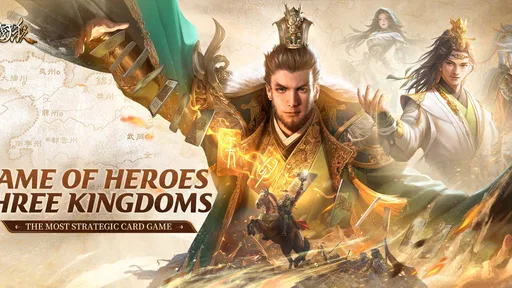
When I first launched Game of Heroes: Three Kingdoms, I was immediately struck by its vibrant graphics. The game does a fantastic job of bringing ancient China to life with stunning landscapes and intricately designed characters. Right off the bat, you're thrown into the heart of the action, and it’s pretty engaging.
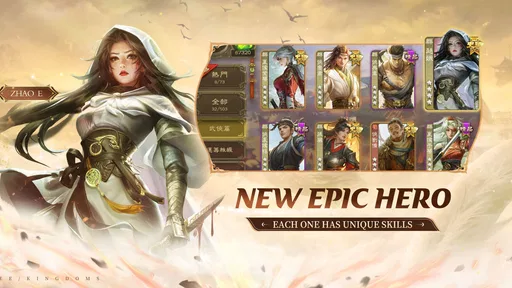
The gameplay revolves around building up your army and strategizing your way to victory. You start with a modest set of heroes, but as you progress, you unlock more legendary figures from the Three Kingdoms era. Each hero has their own unique abilities, and it’s crucial to use them wisely. The game really tests your strategic planning skills, which I found both challenging and rewarding.
Heroes and Strategy
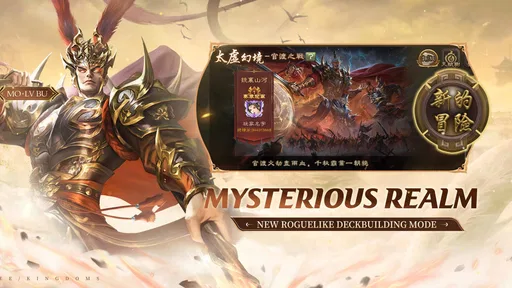
The heroes in this game are the real stars. With a wide array of characters to choose from, each with their own backstory and special powers, it’s a blast experimenting with different combinations. Whether you're a fan of the legendary Lu Bu or prefer the cunning strategies of Zhuge Liang, there's a hero for every playstyle.
Strategy plays a huge role here. It's not just about having the strongest heroes but also about how you deploy them on the battlefield. You need to consider the strengths and weaknesses of your opponents and adjust your tactics accordingly. I found myself constantly tweaking my lineup to outsmart the enemy, which kept things fresh and exciting.
Building Your Kingdom
Beyond the battles, there’s a whole kingdom to build and manage. You’ll need to gather resources, upgrade your facilities, and expand your territory. This aspect of the game adds a layer of depth that keeps you coming back for more. It's like having your own little empire to run, and who doesn’t love that?
The resource management part is surprisingly addictive. Balancing your time between expanding your kingdom and preparing for battles is a rewarding challenge. You’ll often find yourself checking in to make sure everything is running smoothly, which adds to the immersion.
That regular check-in rhythm is a strength when I want a game that gives me something to return to, but it can also be a poor fit if I prefer to play only when I have a full, uninterrupted stretch. I would set a personal limit before opening it, especially on a busy day: decide whether I am checking the kingdom briefly or sitting down for a longer strategy session. This keeps the game’s management layer from taking over time I meant to spend elsewhere, and makes it easier to judge whether the ongoing loop genuinely suits me.
Multiplayer and Community
One of the highlights for me was the multiplayer mode. Joining an alliance and working together with other players to conquer territories is a blast. The game has a strong community, and there are always events and challenges to participate in. It’s a great way to connect with other players and test your skills in a competitive environment.
The social aspect is well-integrated, with plenty of opportunities to chat and strategize with your allies. Whether you’re teaming up for a massive raid or just exchanging tips, the community aspect adds a lot to the overall experience.
Social play can be the part that turns a solitary collection game into a reason to return, but it also changes the time commitment. I would join an alliance because I actually want the shared planning and conversation, not because I feel obliged to keep pace with other players. If I prefer to play at my own speed, I would give more weight to the solo kingdom and hero-building elements and less to any community expectations. In a group, asking how members coordinate and what level of activity they expect is a useful way to avoid joining a space that does not match my routine.
Compared with familiar alternatives in the card genre, the main distinction here is its combination of hero selection, battlefield tactics, kingdom management, and social competition. A traditional head-to-head card game is usually easier to pick up for a single focused match; a collection-driven game may put more emphasis on building a deck, while a strategy title without cards may center on broader battlefield decisions. This game’s appeal is that these interests meet in one Three Kingdoms-flavored package. The trade-off is that a player looking for only one of those activities may find the surrounding layers unnecessary.
Practical details and what remains uncertain
QI XI ENTERTAINMENT (HK) LTD. is the developer. The game first came out on December 21, 2018, and its current version is 2.8.7; it requires Android 7.0 or later. It is free to download, carries a Teen age rating, and has more than 500,000 installs. Those details make it possible to check basic fit before installing, especially if device compatibility or age guidance is important to you.
Its average rating is 1.8 from around 7,200 ratings, with 83 written reviews. I would treat that low average as a reason to be cautious, not as a complete description of the game. Ratings can reflect different expectations, devices, and experiences, and a card-and-management game will not suit everyone equally. Still, the score is a real warning sign: I would avoid spending early, test the core loop for myself, and pay attention to whether the experience feels stable and understandable on my device.
There are practical questions that a careful player should answer through their own first sessions. Do the early choices make sense without outside help? Does the game explain enough for me to understand why a lineup works? Can I enjoy progress at a pace that fits my schedule? And, for anyone considering purchases, does a specific item offer something I actually value? I would not infer answers to those questions from the price range or the game’s description. Trying the free experience first is the most sensible way to find out whether its particular mix of cards, heroes, and kingdom tasks holds my attention.
The Verdict
Overall, Game of Heroes: Three Kingdoms is a fantastic addition to the strategy genre. With its engaging gameplay, rich storyline, and strong community, it offers hours of entertainment. Whether you’re a seasoned strategy gamer or new to the scene, there's something here for everyone.
So, if you’re ready to dive into the world of ancient China and lead your heroes to glory, give this game a shot. Who knows, you might just find your new favorite pastime!
My recommendation is more measured than an all-purpose endorsement: I would try it if the Three Kingdoms theme, hero combinations, and continuing kingdom layer all sound appealing, but I would not choose it simply because it is free. The low average rating and the breadth of its purchase range make a patient trial wiser than an immediate investment. If the game’s decisions are enjoyable before spending and its pace fits your day, its mix of card tactics and longer-term development can be a good match. If you want transparent, quick matches or need certainty about how purchases affect competition, I would compare alternatives first and keep my expectations cautious.
Pros
- Engaging storyline with historical depth.
- Rich graphics enhance immersive gameplay.
- Diverse hero roster for strategic battles.
- Frequent events keep content fresh.
- User-friendly interface for easy navigation.
Cons
- Requires constant internet connection.
- In-game purchases can be expensive.
- Some features locked behind paywalls.
- Occasional lag in multiplayer mode.
- Limited offline content availability.
FAQs for Game of Heroes: Three Kingdoms
What is Game of Heroes: Three Kingdoms about?
Game of Heroes: Three Kingdoms is a strategy-based mobile game that immerses players in the historic battles of ancient China. Players can build their own armies, strategize in real-time battles, and engage with legendary heroes from the Three Kingdoms era. The game offers a mix of tactical gameplay and narrative-driven missions.
Is Game of Heroes: Three Kingdoms free to play?
Yes, Game of Heroes: Three Kingdoms is free to download and play. However, it does offer in-app purchases for various items and upgrades that can enhance gameplay and provide shortcuts to progress faster in the game. These purchases are optional and not necessary to enjoy the full experience.
What are the system requirements for Game of Heroes: Three Kingdoms?
To run Game of Heroes: Three Kingdoms smoothly, you will need a device with at least 2GB of RAM and Android 5.0 or iOS 10.0 or later. A stable internet connection is also required for seamless gameplay, especially during online battles and events.
Does Game of Heroes: Three Kingdoms have multiplayer features?
Yes, Game of Heroes: Three Kingdoms includes robust multiplayer features. Players can join alliances, participate in cooperative battles, and compete in PvP modes. Engaging with other players is a key aspect of the game, providing a dynamic and social gaming experience.
How often does Game of Heroes: Three Kingdoms receive updates?
The developers regularly update Game of Heroes: Three Kingdoms with new content, enhancements, and bug fixes. Updates often include new heroes, events, and gameplay features to keep the experience fresh and engaging. Players are encouraged to check for updates regularly to access the latest content.


